Research Article | | Peer-Reviewed

Outcomes and Associated Factors of Traumatic Brain Injury Among Adult Patients Treated in Buea Health District (BHD), Cameroon

Received: 25 May 2026     Accepted: 8 June 2026     Published: 8 July 2026
Views:       Downloads:
Abstract

Traumatic brain injury (TBI) represents a significant public health challenge in sub-Saharan Africa, with limited data on outcomes in Cameroon. This prospective observational study evaluated outcomes and associated factors of TBI among adult patients treated in Buea Health District (BHD), Cameroon, from January 2020 to December 2025. A total of adult patients diagnosed with TBI were included. Data on socio-demographic characteristics, clinical severity (Glasgow Coma Scale scores), injury mechanisms, treatment pathways, and outcomes were collected using structured questionnaires and medical records. The primary outcome was functional status at discharge assessed using the Glasgow Outcome Scale (GOS), dichotomised into favourable (GOS 4–5) and unfavourable (GOS 1–3) outcomes. Statistical analysis included descriptive statistics, chi-square tests, and bivariable and multivariable logistic regression to identify independent predictors. Results showed that 74% of patients achieved favourable outcomes, with road traffic injuries (60%) being the leading cause, followed by falls (23%) and assaults (10%). Most patients were young adult males (78%), consistent with global patterns. Clinical severity indicators were strongly predictive of outcomes: patients with GCS scores 13–15 had overwhelmingly favourable outcomes (79%), while those with GCS < 8 had predominantly unfavourable outcomes (χ2 = 93.605, p < 0.001). Duration of unconsciousness >24 hours and post-traumatic amnesia were significant negative predictors (p < 0.001). Socio-demographic variables showed no significant associations with outcomes. Quality of life assessments revealed 76.5% were discharged successfully, though 23.5% experienced residual complaints, including seizures (10.5%), memory loss (4.5%), and paralysis (2%). These findings highlight that TBI in BHD predominantly affects young adult males through preventable mechanisms. Clinical severity remains the most critical outcome predictor, underscoring the need for improved pre-hospital care, timely presentation, and neurosurgical capacity to reduce the burden of TBI in Cameroon.

Published in World Journal of Public Health (Volume 11, Issue 3)
DOI 10.11648/j.wjph.20261103.11
Page(s) 221-233
Creative Commons

This is an Open Access article, distributed under the terms of the Creative Commons Attribution 4.0 International License (http://creativecommons.org/licenses/by/4.0/), which permits unrestricted use, distribution and reproduction in any medium or format, provided the original work is properly cited.

Copyright

Copyright © The Author(s), 2026. Published by Science Publishing Group

Keywords

Traumatic Brain Injury, Glasgow Outcome Scale, Affected Factors, Outcome Predictors, Cameroon

1. Introduction
Traumatic brain injury (TBI) represents one of the most significant global public health challenges, affecting an estimated 69 million people annually and serving as the leading cause of trauma-related morbidity and mortality worldwide . TBI accounts for approximately one-third of all trauma-related deaths and is often referred to as the "silent epidemic" due to its substantial contribution to global disability . In 2021, there were 20.8 million new TBI cases globally, with an age-standardized incidence rate of 259 cases per 100,000 population . Despite a notable decrease in age-standardized rates from 1990-2021, the absolute burden continues to increase due to population growth and aging .
The epidemiology of TBI varies substantially across geographic and socioeconomic contexts. In sub-Saharan Africa (SSA), the burden is particularly severe, with an estimated 3.2 million people sustaining TBI annually—a number projected to rise dramatically to 14 million by 2050 . This alarming trajectory reflects rapid urbanization, inadequate road safety infrastructure, limited access to healthcare, and increasing rates of interpersonal violence across the region . In SSA, TBI accounts for 30–40% of all trauma cases, with prevalence rates significantly higher than those reported in high-income countries (HICs) . A scoping review of 107 studies from SSA reported that TBI affects all age groups but is most common among young males aged 20–40 years .
The demographic profile of TBI patients in Africa consistently shows a predominance of young adult males. In Cameroon, 78% of TBI patients are aged 15–45 years, with males comprising 90% of cases . This gender disparity reflects higher engagement of males in high-risk activities, including road traffic participation, hazardous occupations, and interpersonal violence . In Ethiopia, the male-to-female ratio was approximately 3.5: 1, with 77.9% of patients being male and an average age of 27.5 years . The impact on economically productive populations is substantial, affecting workforce participation and economic development .
Road traffic incidents (RTIs) remain the predominant cause of TBI in SSA, accounting for a median of 71 patients per study . In Cameroon, RTIs were responsible for 85% of TBI cases, with motorcyclists representing 27% of patients—a particularly vulnerable occupational group . This contrasts with developed countries where falls are the primary cause of TBI, particularly among older adults . The disparity reflects differences in infrastructure, road safety enforcement, and demographic profiles. In Ethiopia, RTIs represented 35% of TBI cases, while assaults accounted for 36% and falls 21% . The elevated assault rates in Ethiopia reflect socioeconomic inequalities, urbanization, poverty, and inadequate law enforcement resources .
TBI severity is typically classified using the Glasgow Coma Scale (GCS), with scores of 3–8 indicating severe TBI, 9–12 moderate TBI, and 13–15 mild TBI . In Ethiopia, mild TBI comprised 57% of cases, moderate TBI 25%, and severe TBI 18% . However, GCS classification can be influenced by factors such as intoxication, sedation, or systemic conditions, necessitating careful interpretation . The distribution in Cameroon was similar, with most patients presenting with mild to moderate severity . A comprehensive systematic review of 80 studies encompassing over 2.3 million patients confirmed that GCS is a cornerstone in initial TBI assessment, with significant correlations between GCS scores and Glasgow Outcome Scale (GOS) outcomes .
The mortality rate associated with TBI in SSA is alarmingly high, ranging from 10% to 24% . In Cameroon, mortality was 14% overall and disproportionately high (46%) among patients with severe TBI . This contrasts significantly with earlier estimates from Ethiopia showing 12% overall mortality . The higher death rates in low- and middle-income countries (LMICs) are attributed to limited pre-hospital care, financial constraints, delays in accessing neurotrauma care, and lack of intracranial pressure monitoring . In Cameroon, only 9% of patients were transported by medical means, with 91% using non-medical transportation (taxi, moto taxi, private vehicle) . This contrasts sharply with HICs where emergency medical services are standard.
GCS scores are strongly predictive of TBI outcomes. Lower GCS scores, particularly below 8, correlate with worse outcomes and increased mortality, while higher scores indicate better recovery chances . Lower GCS scores and higher pupillary inequality were associated with increased mortality, whereas improved motor responses and reactive pupils were associated with favourable outcomes . Duration of post-traumatic amnesia (PTA) is the most powerful predictor of function, independent living, and productive activity after TBI . PTA duration independently predicts neuropsychological and global outcome, reinforcing the importance of careful measurement . Similarly, duration of unconsciousness >24 hours predict poorer outcomes compared to recovery within 24 hours .
Associated intracranial injuries significantly contribute to TBI outcomes. In Cameroon, cerebral contusion (54%) and extradural hemorrhage (49%) were the most common types, with skull fractures seen in 30% of cases . In Ethiopia, skull fractures were reported at 29%, followed by epidural hematoma (EDH) at 18% and brain contusion at 16% . Death during hospitalisation was more frequent in patients with subdural hematoma (45%) compared to EDH (10.71%), highlighting the prognostic significance of hematoma type . In SSA, 31% of patients required surgical intervention, with significant regional variation reflecting disparities in access to surgical care .
Outcomes after TBI are typically assessed using the Glasgow Outcome Scale (GOS) or Glasgow Outcome Scale-Extended (GOSE). In Cameroon, 75% of surviving patients had favourable outcomes (GOSE 5–8) at 6 months, while 25% had unfavourable outcomes (GOSE 1–4) . Another study found that 72% of long-term TBI survivors had favourable functional outcomes at 15 years, with 79% achieving GOS 5 (good recovery) and 18% GOS 4 (moderate disability) . However, binary outcome prediction models limit the possibility of detecting subtle yet significant improvements . Younger age was consistently associated with favourable outcomes across multiple studies .
Quality of life after TBI is strongly linked to functional outcome. In Cameroon, the median quality of life score was assessed using the Quality of Life after Brain Injury (QoLIBRI) questionnaire, with 28% of patients impaired at 6 months and 36% achieving above-average scores . A prospective, longitudinal 15-year study reported a median quality of life score of 0.88 (on a scale from negative numbers to maximum 1) among long-term survivors . Discharged against medical advice (DAMA) patients had a significantly poorer quality of life (39% impaired vs. 22% for regularly discharged; p = 0.019) . In Cameroon, 33% of patients were discharged DAMA due to financial constraints—a rate much higher than the 1.8–2.8% reported in HICs . Only 3% of patients received post-injury physical therapy services, highlighting the lack of rehabilitation infrastructure .
Financial constraints represent a major barrier to TBI care in LMICs. In Cameroon, 93% of patients who did not receive CT scans cited financial constraints, with costs at 75,000 FCFA ($122 USD) being prohibitive . This contrasts starkly with HICs where advanced imaging is readily available. An analysis of emergency care delays in Tanzania found that 31.9% of patients experienced delays of 1.1–4.0 hours from injury to hospital arrival, with delays significantly associated with poor in-hospital outcomes . Delays beyond 4 hours are associated with worsening neurological outcomes and increased mortality .
Complications after TBI occur in approximately 17% of cases in SSA, including post-traumatic seizures, aspiration pneumonia, and wound infections . This rate is consistent with findings from other LMICs (15–20%) but higher than HICs (10–15%), attributed to limited access to intensive monitoring and specialised medical care . Neuropsychological rehabilitation can facilitate gains in independent functioning, yet access to rehabilitation is severely limited in many LMICs .
Despite the significant burden, comprehensive data on TBI in SSA, including Cameroon, remain scarce, hindering evidence-based interventions and policies . Previous Cameroonian studies were retrospective, making outcome evaluations inappropriate for patient characteristics and medium-term outcomes . This study aims to address these gaps by evaluating outcomes and associated factors of TBI among adult patients treated in Buea Health District, Cameroon, providing crucial data for targeted prevention strategies and healthcare improvements.
2. Material and Methods
2.1. Study Design and Setting
This prospective observational study was conducted in Buea Health District (BHD), South West Region, Cameroon, from January 2020 to December 2025. BHD serves an estimated population of 500,000 people and includes multiple district hospitals, regional hospitals, private healthcare facilities, and integrated health centres. The study followed STROBE (Strengthening the Reporting of Observational Studies in Epidemiology) guidelines for observational research.
2.2. Study Population
The study included all adult patients (≥18 years) diagnosed with traumatic brain injury who presented to healthcare facilities within BHD within 24 hours of injury. TBI was defined as trauma-induced alteration in brain function or pathology, confirmed by clinical assessment and/or neuroimaging. Exclusion criteria included: (1) patients with pre-existing neuropsychiatric disorders that could confound outcome assessment; (2) individuals who arrived at healthcare facilities >24 hours post-injury; (3) patients who could not be contacted for follow-up evaluation; and (4) those who refused informed consent or whose family members declined participation on their behalf.
2.3. Data Collection
Data were collected using a structured questionnaire based on the NIH-NINDS Common Data Elements for TBI. Trained research nurses and medical officers collected data at admission and during hospitalization. Baseline data included socio-demographic characteristics (age, sex, education level, marital status, profession, residence), clinical details (GCS score, pupil reactivity, vital signs, loss of consciousness duration), injury characteristics (mechanism of injury, time from injury to presentation, first responder type), pre-hospital factors (transport method, first aid/CPR received, immobilization during transfer), neuroimaging findings (CT scan results if available), associated injuries (brain swelling/contusion, hematoma type, skull fractures), and treatment details (level of first contact facility, surgical intervention).
GCS was classified as severe (3–8), moderate (9–12), and mild (13–15) based on admission scores. Time to treatment was categorized as ≤1 hour, 1–4 hours, 4–8 hours, and >8 hours. Post-traumatic amnesia was recorded as present or absent. Duration of unconsciousness was categorized as <24 hours or ≥24 hours.
2.4. Outcome Measures
The primary outcome was functional status at discharge assessed using the Glasgow Outcome Scale (GOS), as described by G/Michael et al. . The GOS is a multidimensional tool for assessing patient outcomes following neurological events, as described by G/Michael et al. . It categorizes recovery into five levels, from death to good recovery, which can be further grouped into unfavourable (GOS 1–3) and favourable (GOS 4–5) outcomes. Table 1 presents the operational definitions of these categories for clarity in this study.
2.5. Data Processing and Analysis
Data were exported to Minitab version 22 for analysis. Cross-tabulation assessed the distribution of favourable and unfavourable outcomes. Simple descriptive statistics and chi-square (χ2) tests were performed. Frequencies with percentages summarized categorical variables. Variables independently associated with traumatic brain injury (TBI) outcomes were identified using adjusted odds ratios (AORs), with 95% confidence intervals (CIs); statistical significance was set at p < 0.05. Results are presented in text, tables, and charts.
Table 1. GOS Categories .

GOS Category

Outcome

Description

1: Death

Unfavourable

Patients were certified for death.

2: Coma

Unfavourable

The patient exhibited no obvious cortical function.

3: Severe disability

Unfavourable

Patients were conscious but disabled; they could not perform any activity independently.

4: Moderate disability

Favourable

Patients were disabled but independent in daily life; disabilities included varying degrees of dysphasia and hemiparesis.

5: Good recovery

Favourable

Resumption of normal activities, even though there may be minor neurological or psychological deficits.

3. Results
3.1. Socio-demographic Characteristics of Outcomes Among Adult Patients Treated for TBI in BHD, Cameroon
Favourable outcomes were more common across all age groups, with the highest proportion among those aged 18–24 years (29.5%); unfavourable outcomes were evenly distributed and showed no significant association (χ2 = 2.957, p = 0.565; Table 2). Males comprised the majority of favourable outcomes (70.5%), but sex differences were not significant (χ2 = 2.475, p = 0.116). Patients with secondary education had the largest share of favourable outcomes (39%), followed by primary (28.5%) and tertiary (21%) education, without significant differences (χ2 = 1.372, p = 0.504). Single patients had slightly more favourable outcomes (49.5%) than married patients (39%), but this was not significant (χ2 = 0.54, p = 0.462; Table 2).
Table 2. Socio-demographic characteristics of favourable and unfavourable outcomes among adult patients with traumatic brain injury treated in Buea Health District, Cameroon (n=200).

Variables

Category

Favourable N (%)

Unfavourable N (%)

Total N (%)

χ2

p-value

Age

18-24

59 (29.50)

8 (4.00)

67 (33.50)

2.957

0.565

25-34

41 (20.50)

3 (1.50)

44 (22.00)

35-44

26 (13.00)

2 (1.00)

28 (14.00)

45-54

24 (12.00)

5 (2.50)

29 (14.50)

>55

27 (13.50)

5 (2.50)

32 (16.00)

Sex

Male

141 (70.5)

15 (7.5)

156 (78.00)

2.475

0.116

Female

36 (18.00)

8 (4.00)

44 (22.00)

Educational level

Primary

57 (28.5)

8 (4.00)

65 (32.50)

1.372

0.504

Secondary

78 (39.00)

12 (6.00)

90 (45.00)

Tertiary

42 (21.00)

3 (1.50)

45 (22.50)

Marital Status

Married

78 (39.00)

12 (6.00)

90 (45.00)

0.54

0.462

Single

99 (49.50)

11 (5.50)

110 (55.00)

3.2. Patient Condition on Admission and Treatment-Related Factors on Outcomes Among Adult Patients with TBI in BHD
Road traffic injuries (RTIs) were the leading trauma cause (60%), followed by falls (23%) and assaults (10%; Table 3). Although RTIs contributed to both outcome types, the association between mechanism of injury and prognosis was marginally non-significant (χ2 = 7.653, p = 0.054). First responders were mostly pedestrians (49.5%) and family members (27.5%), but this did not significantly influence outcomes. Similarly, first aid or CPR (6%) and immobilization during transfer (7.5%) were rare and showed no significant effect on recovery, indicating limited pre-hospital interventions (Table 3).
Most patients first contacted regional hospitals (43.5%) or private hospitals (32.5%), with fewer at district hospitals (20%) or integrated health centres (4%; Table 2). However, first contact level was not significantly associated with outcomes (χ2 = 5.707, p = 0.734). Over half (55%) received treatment at first contact, but this had no significant effect (χ2 = 0.54, p = 0.462). Time from injury to treatment was often delayed (58.5% after 8 hours vs. 41.5% within 1 hour), yet not statistically significant (χ2 = 1.311, p = 0.252; Table 3).
Neurological indicators strongly predicted outcomes. Patients with Glasgow Coma Scale (GCS) scores of 13–15 had predominantly favourable outcomes (79%), whereas those with GCS <8 had mostly unfavourable outcomes (χ2 = 93.605, p < 0.001; Table 3). Duration of unconsciousness >24 hours was linked to poorer outcomes (χ2 = 55.046, p < 0.001), as was post-traumatic amnesia (47% unfavourable; χ2 = 23.082, p < 0.001). Common associated injuries included brain swelling/contusion (37.5%), subdural hematoma (32.5%), and extradural hematoma (16.3%), which contributed to poor outcomes despite lacking statistical significance (Table 3).
Table 3. Patient’s condition on the admission and treatment-related factors of favourable and unfavourable outcomes among adult patients with traumatic brain injury treated in Buea Health District, Cameroon 2020 - 2025 (n=200).

Variables

Category

Favourable outcome N (%)

Unfavourable outcome N (%)

Total N (%)

χ2

p-value

Mechanism of injury

Assaults

19 (9.50)

1 (0.50)

20 (10.00)

7.653

0.054

Fall

36 (18.00)

10 (5.00)

46 (23.00)

RTI

108 (54.00)

12 (6.00)

120 (60.00)

Others

14 (7.00)

0 (0.00)

14 (7.00)

First responder

Community people

13 (6.50)

3 (1.50)

16 (8.00)

1.571

0.666

Family

49 (24.50)

6 (3.00)

55 (27.50)

Friends/ Colleagues

28 (14.00)

2 (1.00)

30 (15.00)

Pedestrians

87 (43.50)

12 (6.00)

99 (49.5)

Received first aid or CPR

No

166 (83.00)

22 (11.00)

188 (94.00)

0.126

0.723

Yes

11 (5.500)

1 (0.50)

12 (6.00)

Immobilized/ transfer

No

164 (82.00)

21 (10.50)

185 (92.50)

0.054

0.817

Yes

13 (6.50)

2 (1.00)

15 (7.50)

First level of contact for txt

DH

34 (17.00)

6 (3.00)

40 (20.00)

5.707

0.734

IHC

6 (3.00)

2 (1.00)

8 (4.00)

PH

55 (27.50)

10 (5.00)

65 (32.50)

RH

82 (41.00)

5 (2.50)

87 (43.50)

Received txt/ 1 level

No

78 (39.00)

12 (6.00)

90 (45.00)

0.54

0.462

Yes

99 (49.50)

11 (5.50)

110 (55.00)

Time/injury-txt

<1 hour

76 (38.00)

7 (3.50)

83 (41.50)

1.311

0.252

>8 hours

101 (50.50)

16 (8.00)

117 (58.50)

GCS

<8

5 (2.50)

14 (7.00)

19 (9.50)

93.605

0.000

13-15

158 (79.00)

3 (1.50)

161 (80.50)

9-12

14 (7.00)

6 (3.00)

20 (10.00)

Duration consciousness (h)

<24

19 (9.50)

17 (8.50)

36 (18.00)

55.046

0.000

>24

158 (79.00)

6 (3.00)

164 (82.00)

PT-amnesia

No

168 (84.00)

15 (7.50)

183 (91.50)

23.082

0.000

Yes

9 (4.50)

8 (4.00)

17 (8.50)

Associated injury

Brain swollen/ contusion

4 (2.00)

71 (35.50)

75 (37.50)

6.45

0.168

BSF

2 (1.00)

13 (6.50)

15 (7.50)

EDH

3 (1.50)

30 (15.00)

33 (16.30)

Other skull fracture

2 (1.00)

10 (5.00)

12 (6.00)

SDH

12 (6.00)

53 (26.50)

65 (32.50)

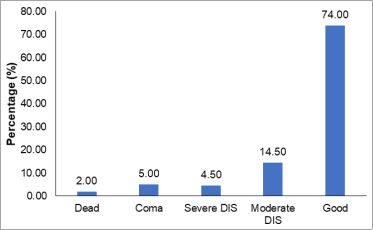
Figure 1. Outcome of Traumatic brain injury among patients treated in Buea district hospitals 2020-2025.
Between 2020 and 2025, traumatic brain injury outcomes among patients treated in Buea district hospitals showed that most recovered well, with 74% achieving a "good" outcome (i.e., functional independence or minimal disability; Figure 1). However, 14.5% experienced moderate disability and 4.5% severe disability, highlighting the need for stronger rehabilitation and support systems (Figure 1). Less frequent but critical outcomes included coma (5%) and death (2%; Figure 1).
3.3. Bivariable and Multivariable Regression Results for Significant Variables Among Adult Patients Treated for TBI in BDH
Most sociodemographic variables (age, sex, education, marital status) showed no statistically significant associations with outcomes (p > 0.05; 95% CIs crossed 1; Table 4). Among mechanisms of injury, falls were the sole exception, significantly increasing the odds of unfavourable outcomes (AOR = 0.2174, 95% CI: 0.0271–0.4076, p = 0.025). Factors such as first responder type, first aid/CPR, immobilization, and time to treatment also lacked independent predictive effects.
Clinical severity indicators were strongly predictive. Higher Glasgow Coma Scale (GCS) scores (13–15 and 9–12) were associated with significantly better outcomes than GCS <8 (p < 0.001). Shorter unconsciousness duration (<24 hours) predicted favourable outcomes, whereas prolonged unconsciousness (>24 hours) predicted worse outcomes (p < 0.001). Post-traumatic amnesia was a significant negative predictor (AOR = 0.3886, 95% CI: 0.2378–0.5394, p < 0.001). Associated injuries (brain swelling, skull fractures, epidural hematoma [EDH], subdural hematoma [SDH]) did not reach significance (Table 4).
Table 4. Bivariable and multivariable logistic regression analysis result for significant variables among adult patients treated for traumatic brain injury attending Buea health district, Cameroon 2020 -2025 (n = 200).

Variables

Category

Outcome

p-value

AOR

95% CI

Age

18-24

0.0368

(-0.0991, 0.1728)

0.593

25-34

0.0881

(-0.0589, 0.2350)

0.239

35-44

0.0848

(-0.0788, 0.2485)

0.308

45-54

-0.0162

(-0.1783, 0.1460)

0.844

>55

Ref

Ref

Sex

Female

Ref

Ref

Male

0.0857

(-0.0216, 0.1929)

0.117

Educational level

Primary

Secondary

-0.0103

(-0.1131, 0.0926)

0.844

Tertiary

0.0564

(-0.0661, 0.1789)

0.365

Status

Married

Ref

Ref

Single

0.0333

(-0.0564, 0.1231)

0.465

Mechanism of injury

Others

Ref

Ref

Assaults

-0.05

(-0.267, 0.167)

0.65

Fall

-0.2174

(-0.4076, -0.0271)

0.025

RTI

-0.1

(-0.2760, 0.0760)

0.264

First responder

Community people

Ref

Ref

Family

0.0784

(-0.1014, 0.2582)

0.391

Friends/ Colleagues

0.1208

(-0.0751, 0.3168)

0.225

Pedestrians

0.0663

(-0.1043, 0.2369)

0.444

Received first aid or CPR

No

Ref

Ref

Yes

0.0337

(-0.1545, 0.2219)

0.724

Immobilized/Transfer

No

Ref

Ref

Yes

-0.0198

(-0.1895, 0.1499)

0.818

First Level of Contact for TXT

DH

Ref

IHC

-0.1

(-0.343, 0.143)

0.417

PH

-0.0038

(-0.1297, 0.1220)

0.952

RH

0.0925

(-0.0271, 0.2122)

0.129

Received TXT/1 Level

No

Ref

Ref

Yes

0.0333

(-0.0564, 0.1231)

0.465

Time/Injury-TXT

<1 hour

Ref

Ref

>8 hours

-0.0524

(-0.1429, 0.0380)

0.254

GCS

<8

13-15

0.7182

(0.6061, 0.8304)

0.000

9-12

0.4368

(0.2887, 0.5850)

0.000

Duration/Consciousness/ Hrs

<24 hours

Ref

Ref

>24 hours

0.4356

(0.3366, 0.5347)

0.000

PT-Amnesia

No

Ref

Ref

Yes

-0.3886

(-0.5394, -0.2378)

0.000

Associated injury

Other skull fracture

Ref

Ref

Brain swollen/ contusion

0.1133

-0.0816, 0.3082

0.253

BSF

0.033

-0.209, 0.276

0.787

EDH

0.076

-0.136, 0.287

0.48

SDH

-0.0179

-0.2149, 0.1790

0.858

DH = District hospital, IHC =Integrated Health Center, PH = Private Hospital, RH = Regional Hospital, EDH= Epidural hematoma, SDH = Subdural hematoma
3.4. Quality of Life After Management for Traumatic Brain Injury Among Adult Patients Treated in Buea District Hospitals
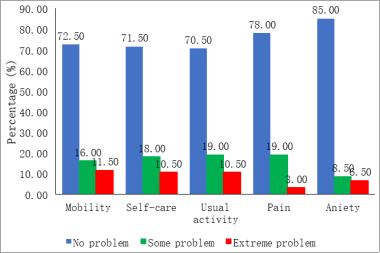
Between 2020 and 2025, quality of life after surgery for traumatic brain injury patients in Buea district hospitals showed encouraging recovery (Figure 2). Most reported no problems in mobility (72.5%), self-care (71.5%), and usual activities (70.5%), reflecting strong functional independence. However, 16–19% experienced some limitations, and 10–11.5% faced extreme difficulties, indicating persistent impairments. Pain outcomes were largely positive: 78% were pain-free, and only 3% reported extreme pain. Anxiety was well managed, with 85% unaffected and 6.5% severely affected.
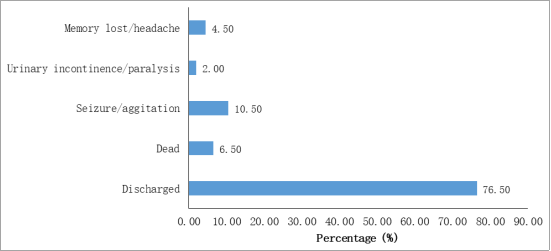
Residual complaints after discharge occurred in 23.5% of patients, though 76.5% were discharged successfully (Figure 3). The most common lingering issues were seizure or agitation (10.5%), followed by memory loss or persistent headaches (4.5%). Less frequent but serious complications included urinary incontinence or paralysis (2%) and mortality (6.5%).
Figure 2. Quality of live after management of Traumatic brain injury among adult patients treated in Buea district hospitals 2020-2025.
Between 2020 and 2025, patients treated for traumatic brain injury in Buea district hospitals experienced various residual complaints after surgery, though most were discharged successfully (76.5%; Figure 3). The most common lingering issue was seizure or agitation (10.5%), followed by memory loss or persistent headaches (4.5%). Less frequent but notable complications included urinary incontinence or paralysis (2%) and mortality (6.5%; Figure 3).
Figure 3. Other residual complains after management of Traumatic brain injury among adult patients treated in Buea district hospitals 2020-2025.
4. Discussion
The lack of significant associations between socio-demographic variables and patient outcomes in Buea Health District reflects patterns observed in trauma research across Cameroon, where clinical severity and injury mechanism outweigh demographic influences. This aligns with the findings of Buh et al. who carried out a multi-center study on traumatic brain injury in Cameroon found that while young adults (median age 30) and males (80%) were disproportionately affected, outcomes were primarily determined by injury severity and access to care, not demographic status. The relatively high proportion of favourable outcomes among younger patients (18–24 years, 29.5%) may be explained by better physiological resilience and recovery capacity in younger age groups, as younger adults demonstrate stronger neuroplasticity, faster tissue repair, and more robust immune responses compared to older populations. This aligns with the findings of Arora et al. who studies on transitional-aged youth confirm that resilience, both intrinsic and extrinsic, is a measurable quality that enhances recovery following trauma. Similarly, Singh & Mukherjee showed that emerging adults possess resilience mechanisms that buffer the effects of trauma and improve mental health outcomes, underscoring the biological and psychosocial advantages of youth in recovery. Male predominance in favourable outcomes (70.5%) likely reflects greater exposure to trauma among men, especially road traffic injuries (RTIs), rather than inherent biological differences, as outcome disparities were not statistically significant. This pattern is consistent with Cameroonian trauma studies showing that men are disproportionately represented in RTI cases due to occupational exposure, mobility, and risk-taking behaviours. Ngu et al. reported that 69.6% of RTI patients in Fako Division hospitals were male, with the highest burden among those aged 26–35 years, emphasizing exposure rather than sex-based recovery differences. Similarly, Buh et al. found that 80% of traumatic brain injury cases across multiple Cameroonian hospitals involved men, but outcomes were primarily determined by injury severity and access to care, not sex.
RTIs accounted for the majority of trauma cases (60%), consistent with national data showing that RTIs represent nearly 70% of injuries in Cameroon’s trauma registry . However, the marginal non-significance of their association with prognosis suggests that while RTIs are frequent, outcomes depend more on injury severity than mechanism alone. This was also similar with the findings of G/Michael et al. who reported that road traffic accidents emerged as the leading cause of traumatic brain injury among adults, accounting for 181 cases (37.5%), followed by assaults with 117 cases (24.2%) in Amhara regional state comprehensive specialized hospitals Ethiopia. The limited impact of first responders and prehospital interventions is explained by the near absence of structured emergency systems. This was also reported in Cameroon Trauma Registry analysis by Ngekeng et al. who reported that only 4.9% of patients received any form of scene care, despite global evidence that basic first aid significantly reduces mortality. Similar findings have been reported in broader African trauma research: Kobusingye et al. emphasized the absence of organized emergency medical services in low-income countries, noting that community-based first responder training could substantially reduce preventable deaths. Likewise, Mock et al. demonstrated that simple interventions like haemorrhage control and airway management are among the most cost-effective strategies for improving trauma outcomes in resource-limited settings.
Neurological indicators were decisive: patients with Glasgow Coma Scale (GCS) had 79% favourable outcomes, while those with GCS <8 had overwhelmingly poor prognosis. This finding is consistent with that of Chou et al. who confirms that GCS 13–15 defines mild traumatic brain injury with good recovery, whereas GCS <8 indicates severe injury with high mortality and disability. Prolonged unconsciousness (>24 hours) and post-traumatic amnesia are consistently identified as strong predictors of poor outcomes in traumatic brain injury (TBI), emphasizing the prognostic importance of cognitive and consciousness markers. Maas et al. reported that duration of unconsciousness and amnesia are among the most reliable indicators of long-term disability. Secondary injuries such as cerebral edema, subdural hematomas, and extradural hematomas are widely recognized in neurotrauma research as factors that worsen prognosis, primarily because they raise intracranial pressure and heighten the likelihood of additional brain damage . Buh et al. show non-significant associations due to sample size limitations, the broader neurotrauma literature affirms their clinical relevance.
The outcomes of traumatic brain injury (TBI) among patients treated in Buea district hospitals, achieved good recovery. Aligns with the findings of Nkouonlack et al. who observed that in Buea and Limbe hospitals, 69% of patients had mild TBI, with advanced age and prolonged loss of consciousness strongly predicting poor outcomes, while the case fatality rate was 3.3%. Similarly, Buh et al. reported that across multiple Cameroonian trauma centers, mortality reached 10.3% overall, disproportionately affecting severe TBI patients (55%), underscoring disparities in care provision due to financial and infrastructural constraints.
The findings indicate that sociodemographic factors such as age, sex, education, and marital status were not significantly associated with outcomes. This is consistent the findings of Buh et al. who reported that demographic variables often play a limited role in predicting recovery after traumatic brain injury (TBI). Falls emerged as the only mechanism of injury significantly linked to poorer outcomes. The significant association of falls with poorer outcomes may reflect the higher risk of diffuse brain injury and comorbidities in older populations. This is consistent with findings of Majdan et al. who reported that fall-related TBIs often result in worse recovery trajectories compared to road traffic injuries. Similarly, Rafiee et al. reported that falls are linked to worse functional recovery compared to road traffic accidents, particularly in older adults. By contrast, clinical severity markers were strongly predictive: higher Glasgow Coma Scale (GCS) scores, shorter duration of unconsciousness, and absence of post-traumatic amnesia were robustly associated with favorable outcomes. This is algins with the findings of Rafiee et al. found that GCS score at admission was the most reliable predictor of outcome, with higher scores strongly linked to favorable recovery. Buh et al. emphasize neurological status as the most reliable prognostic indicator in TBI. Similarly, Eghzawi et al. emphasized that mortality and disability in mild-to-moderate TBI are best explained by neurological status (GCS, pupillary reactivity, intracranial haemorrhage) rather than sociodemographic background. Regarding prehospital factors (first responder type, CPR, immobilization, time to treatment), the absence of significant effects in this dataset may reflect systemic gaps in emergency response capacity. In low-resource settings, prehospital interventions are often inconsistent or delayed, limiting their measurable impact on outcomes. Nkouonlack et al. reported a retrospective data from Buea and Limbe hospitals that highlighted the limited impact of prehospital interventions in contexts with weak emergency systems. similar context was highlighted by Rafiee et al. who reported that prehospital care quality is crucial but often underdeveloped, which explains the lack of statistical significance despite theoretical importance. The associated injuries (brain swelling, skull fractures, EDH, SDH) did not reach statistical significance. This may be due to sample size limitations or overlapping effects with primary severity indicators. However, Schüller et al. reported that injuries complicate management, they are not always independent predictors once GCS and PTA are considered.
Between 2020 and 2025, the encouraging recovery trends among traumatic brain injury (TBI) patients in Buea district hospitals—such as high independence in mobility, self-care, and daily activities—likely reflect improvements in surgical care, early intervention, and structured rehabilitation, consistent with global evidence that timely neurosurgical management and multidisciplinary follow-up reduce disability rates . However, the persistence of residual complaints like seizures, agitation, and memory loss indicates the limitations of relying solely on functional independence scores, as subtle neurocognitive deficits and post-traumatic epilepsy remain common sequelae . The relatively low rates of extreme pain and anxiety suggest effective perioperative pain control and psychosocial support, yet the 6.5% mortality and 2% paralysis highlight systemic gaps in prehospital triage and long-term rehabilitation access, which are reported by Rickels and Schüller et al. . The Glasgow Coma Scale (GCS) remains a cornerstone for outcome prediction, its limitations—such as misclassification of “talk and die” patients—necessitate complementary assessments like pupillary reactivity and motor response to better anticipate complications and guide care pathways .
5. Conclusions
Pre-hospital factors and mechanisms of injury were not strong predictors of recovery, whereas clinical severity markers proved decisive. Indicators such as Glasgow Coma Scale scores, length of unconsciousness, and post-traumatic amnesia consistently determined patient prognosis, with intracranial complications contributing to poorer outcomes even without statistical significance. Overall, most patients regained independence and functional recovery, though a meaningful proportion continued to face disability, residual symptoms, or death. These findings highlight the need to reinforce rehabilitation services and emphasize early neurological evaluation as central to improving traumatic brain injury outcomes in the Buea Health District.
Abbreviations

GOS

Glasgow Outcome Scale

LMICs

Low- and Middle-income Countries

SSA

Sub-Saharan Africa

TBI

Traumatic Brain Injury

HICs

High-income Countries

RTIs

Road Traffic Incidents

PTA

Post-traumatic Amnesia

EDH

Epidural Hematoma

GOSE

Glasgow Outcome Scale-Extended

QoLIBRI

Quality of Life After Brain Injury

BHD

Buea Health District

STROBE

Strengthening the Reporting of Observational Studies in Epidemiology

DAMA

Discharged Against Medical Advice

Acknowledgments
We thank the Solidarity Health Facility (SHF) and other health institutions in Buea Health District (BHD) for providing us with trauma data; Pr. Kingsley Enow Nkongho, Dr. Nnoko Sona Akwo, and the entire staff of SHF; Dr. Adolf Tah, the authors, and all reviewers for their review of this manuscript; and all our data collectors.
Author Contributions
Nnoko Sona Akwo: Conceptualization, Resources, Validation, Visualization, Writing – review & editing, Writing–original draft
David Oben Bate: Conceptualization, Resources, Visualization, Writing – review & editing
Esembieng Esua Fomanka: Conceptualization, Resources, Validation, Visualization, Writing – review & editing
Enow Nkah Bruno Enow: Conceptualization, Validation, Visualization, Writing – review & editing
Ntungwe Ekwelle Smith: Conceptualization, Validation, Visualization, Writing – review & editing
Oben Joan Ayuk: Project administration, Validation, Visualization, Writing – review & editing
Yoah Aldof Tah: Project administration, Validation, Visualization, Writing – review & editing
Kingsley Enow Nkongho: Project administration, Validation, Visualization, Writing – review & editing
Maxwell Kofi Danso: Project administration, Validation, Visualization, Writing – review & editing
Isaac Obeng Gyasi: Conceptualization, Resources, Validation, Visualization, Writing – review & editing
Emeh Nathan Agbor: Conceptualization, Resources, Validation, Visualization, Writing – review & editing
Conflicts of Interest
The authors declare no conflicts of interest.
References
[1] Feigin, V. L., Gronseth, P., & The GEO-TBI Investigators. (2022). Global epidemiology and outcomes following traumatic brain injury: Core protocol. GEO-TBI Registry.
[2] Yan, J., Wang, C., & Sun, B. (2025). Global, regional, and national burdens of traumatic brain injury from 1990 to 2021. Frontiers in Public Health, 13, Article 1556147.
[3] Buh, F. C., Sumbele, I. U. N., Maas, A. I. R., Motah, M., Pattisapu, J. V., Youm, E., Meh, B. K., Kobeissy, F. H., Wang, K. W., Hutchinson, P. J. A., & Taiwe, G. S. (2023). Traumatic brain injury in Cameroon: A prospective observational study in a Level I trauma centre. Medicina, 59(9), 1558.
[4] Adegboyega, G., Zolo, Y., Sebopelo, L. A., Dalle, D. U., Dada, O. E., Mbangtang, C. B., Tetinou, F., Kanmounye, U. S., & Alalade, A. F. (2021). The burden of traumatic brain injury in Sub-Saharan Africa: A scoping review. World Neurosurgery, 156, e192–e205.
[5] Eaton, J., Hanif, A. B., Grudziak, J., & Charles, A. (2017). Epidemiology, management, and functional outcomes of traumatic brain injury in Sub-Saharan Africa. World Neurosurgery, 108, 650–655.
[6] Molla, Y. D., & Alemu, H. T. (2025). Epidemiology of traumatic brain injury in Ethiopia: A systematic review and meta-analysis of prevalence, mechanisms, and outcomes. PLoS One, 20(5), e0322641.
[7] Maas, A. I. R., Menon, D. K., Adelson, P. D., & Narayan, R. K. (2017). Traumatic brain injury: Integrated approaches to improve prevention, clinical care, and research. The Lancet Neurology, 16(12), 987–1048.
[8] Wells, A. J., & Reilly, P. L. (2025). 50 years of the Glasgow Coma Scale: A historical perspective. Journal of Clinical Neuroscience, 133, Article 110994.
[9] G/Michael, S., Terefe, B., Asfaw, M. G., & Liyew, B. (2023). Outcomes and associated factors of traumatic brain injury among adult patients treated in Amhara regional state comprehensive specialized hospitals. BMC Emergency Medicine, 22(2), 1.
[10] Malhotra, A. K., Shakil, H., Smith, C. W., Huang, Y. Q., Kwong, J. C., Thorpe, K. E.,. & Nathens, A. B. (2025). Predicting outcomes after moderate and severe traumatic brain injury using artificial intelligence: A systematic review. npj Digital Medicine, 8(1), 373.
[11] Pavlovic, D., Pekic, S., Stojanovic, M., & Popovic, V. (2019). Traumatic brain injury: Neuropathological, neurocognitive and neurobehavioral sequelae. Pituitary, 22(3), 270–282.
[12] Davis, K. C., Slomine, B. S., Salorio, C. F., & Suskauer, S. J. (2016). Time to follow commands and duration of posttraumatic amnesia predict GOS-E Peds scores 1 to 2 years after TBI in children requiring inpatient rehabilitation. Journal of Head Trauma Rehabilitation, 31(2), E39–E47.
[13] Koipapi, S., Mmbaga, B. T., Chilonga, K., Msuya, D., Rabiel, H., Nkoronko, M.,. & Chugulu, S. (2024). Outcomes of traumatic brain injury patients with acute epidural and subdural hematoma who underwent burr hole surgery: A two-year study at Kilimanjaro Christian Medical Centre, Tanzania. World Neurosurgery: X, 21, Article 100257.
[14] Taalas, W., Raj, R., Öhman, J., & Siironen, J. (2023). Long-term functional outcome and quality of life in long-term traumatic brain injury survivors. Neurotrauma Reports, 4(1), neur-2023.
[15] Ansari, A., Zoghi, S., Feili, M., Azad, T. D., Mousavi, S. R., Niakan, A.,. & Khalili, H. (2025). The impact of Glasgow Outcome Scale-Extended cut-point of dichotomization on factors associated with outcomes in traumatic brain injury research. Neurosurgical Review, 48(1), 767.
[16] Zimmerman, A., Fox, S., Griffin, R., Nelp, T., Thomaz, E. B. A. F., Mvungi, M.,. & Sica, R. (2020). An analysis of emergency care delays experienced by traumatic brain injury patients presenting to a regional referral hospital in a low-income country. PLoS ONE, 15(10), e0240528.
[17] Muili, A. O., Kuol, P. P., Jobran, A. W., Lawal, R. A., Agamy, A. A., & Bankole, N. D. A. (2024). Management of traumatic brain injury in Africa: Challenges and opportunities. International Journal of Surgery, 110(6), 3760–3767.
[18] Buh, F. C., Taiwe, G. S., Maas, A. I. R., Motah, M., Youm, E., Wanyu, B. Y., Wang, K. W., Hutchinson, P. J. A., & Sumbele, I. U. N. (2022). Demographics, causes, and outcome of traumatic brain injury among trauma cases in Cameroon: A multi-center five year’s retrospective study. Neurotrauma Reports, 3(1), 570-583.
[19] Arora, S., Ong, A., Wilkes, M., Aralis, H., & Sciolla, A. F. (2025). Trauma and resilience in an urban clinic for unhoused young adults: A mixed methods study. PLOS Mental Health, 2(9), e0000392.
[20] Singh, A., & Mukherjee, S. (2024). Exploring the influence of childhood trauma on resilience and mental health outcomes among emerging adults. International Journal of Humanities Social Science and Management (IJHSSM), 4(3), 654–662.
[21] Ngu, C. N., Shete, P., Nsagha, D. S., Tanue, E. A., Tendongfor, N., Oke, R., Bassah, N., Ukah, C. E., McCoy, S. I., Juillard, C., Mefire, A. C., & Ekane, E. G. H. (2025). Epidemiological profile of road traffic injury patients, and post-traumatic stress disorder (PTSD) screening uptake in hospitals in Fako Division, Cameroon. PLOS Global Public Health, 5(12), e0004847.
[22] Ngekeng, S., Kibu, O., Oke, R., Bassah, N., Touko, D. A., Yost, M. T., Dissak-Delon, F., Tendongfor, N., Nguefack-Tsague, G., Hubbard, A., McCoy, S. I., Christie, S. A., Chichom-Mefire, A., & Juillard, C. (2024). Prehospital factors associated with mortality among road traffic injury patients: Analysis of Cameroon trauma registry data. BMC Emergency Medicine, 24(1), 194.
[23] Kobusingye, O. C., Hyder, A. A., Bishai, D., Hicks, E. R., Mock, C., & Joshipura, M. (2005). Emergency medical systems in low- and middle-income countries: Recommendations for action. Bulletin of the World Health Organization, 83(8), 626–631.
[24] Mock, C., Arreola-Risa, C., & Quansah, R. (2003). Strengthening care for injured persons in less developed countries: A case study of Ghana and Mexico. Injury Control and Safety Promotion, 10(1–2), 45–51.
[25] Chou, R., Totten, A. M., Pappas, M., Carney, N., Dandy, S., Grusing, S., Fu, R., Wasson, N., & Newgard, C. (2017). Glasgow Coma Scale for field triage of trauma: A systematic review (Comparative Effectiveness Review No. 182). Agency for Healthcare Research and Quality.
[26] Maas, A. I. R., Stocchetti, N., & Bullock, R. (2008). Moderate and severe traumatic brain injury in adults. The Lancet Neurology, 7(8), 728–741.
[27] Banoei, M. M., Hutchison, J., Panenka, W., Wong, A., Wishart, D. S. & Winston, B. W (2025). Metabolomic in severe traumatic brain injury: exploring primary, secondary injuries, diagnosis, and severity. Critical Care, 29: 26.
[28] Nkouonlack, C., Arnuld, M., Chunteng, N., Mefire, C. (2023). Determinants of outcomes in patients with traumatic brain injury in Buea and Limbe regional hospitals, south west region, Cameroon: A 5-year retrospective study. Journal of the neurological Sciences, 455.
[29] Majdan, M., Plancikova, D., Brazinova, A., Rusnak, M., Nieboer, D., Feigin, V., & Maas, A. (2016). Epidemiology of traumatic brain injuries in Europe: A cross-sectional analysis. The Lancet Public Health, 1(2), e76–e83.
[30] Rafiee, S., Baratloo, A., Safaie, A., Jalali, A., & Komlakh, K. (2022). The outcome predictors of the patients with traumatic brain injury: A cross-sectional study. Bulletin of Emergency Trauma, 10(4), 165–171.
[31] Eghzawi, A., Alsabbah, A., Gharaibeh, S., Alwan, I., Gharaibeh, A., & Goyal, A. V. (2024). Mortality predictors for adult patients with mild-to-moderate traumatic brain injury: A literature review. Neurology International, 16(2), 406–418.
[32] Schüller, D., Wafaisade, A., Lefering, R., Migliorini, F., Bolierakis, E., Weuster, M., Kubo, Y., Fröhlich, M., & Driessen, A., on behalf of the Trauma Register DGU. (2026). Predictive Accuracy of Glasgow Coma Scale and Pupillary Data on Presence of Traumatic Brain Injury. Journal of Clinical Medicine, 15(2), 697.
[33] Vella, M. A., Patel, M., & Patel, M. B. (2017). Acute management of traumatic brain injury. Surgical Clinics of North America, 97(6), 1015–1030.
[34] Haas, B., Stukel, T. A., Gomez, D., Zagorski, B., De Mestral, C., Sharma, S. V., Rubenfeld, G. D., & Nathens, A. B. (2012). The mortality benefit of direct trauma center transport in a regional trauma system: A population-based analysis. Journal of Trauma and Acute Care Surgery, 72(6), 1510–1515.
[35] Goldschlager, T., Rosenfeld, J. V., & Winter, C. D. (2007). ‘Talk and die’ patients presenting to a major trauma centre over a 10 year period: A critical review. Journal of Clinical Neuroscience, 14(7), 618–623.
[36] Thompson, H. J., McCormick, W. C., & Kagan, S. H. (2006). Traumatic brain injury in older adults: Epidemiology, outcomes, and future implications. Journal of the American Geriatrics Society, 54(10), 1590–1595.
[37] Rickels, E. (2017). Focus on traumatic brain injury. European Journal of Trauma and Emergency Surgery, 43(6), 729–730.
[38] Hoffmann, M., Lefering, R., Rueger, J. M., Kolb, J. P., Izbicki, J. R., Ruecker, A. H., Rupprecht, M., & Lehmann, W. (2012). Pupil evaluation in addition to Glasgow Coma Scale components in prediction of traumatic brain injury and mortality. British Journal of Surgery, 99(1), 122–130.
[39] Brennan, P. M., Murray, G. D., & Teasdale, G. M. (2018). Simplifying the use of prognostic information in traumatic brain injury. Part 1: The GCS-Pupils score: An extended index of clinical severity. Journal of Neurosurgery, 128(6), 1612–1620.
Cite This Article
  • APA Style

    Akwo, N. S., Bate, D. O., Fomanka, E. E., Enow, E. N. B., Smith, N. E., et al. (2026). Outcomes and Associated Factors of Traumatic Brain Injury Among Adult Patients Treated in Buea Health District (BHD), Cameroon. World Journal of Public Health, 11(3), 221-233. https://doi.org/10.11648/j.wjph.20261103.11

    Copy | Download

    ACS Style

    Akwo, N. S.; Bate, D. O.; Fomanka, E. E.; Enow, E. N. B.; Smith, N. E., et al. Outcomes and Associated Factors of Traumatic Brain Injury Among Adult Patients Treated in Buea Health District (BHD), Cameroon. World J. Public Health 2026, 11(3), 221-233. doi: 10.11648/j.wjph.20261103.11

    Copy | Download

    AMA Style

    Akwo NS, Bate DO, Fomanka EE, Enow ENB, Smith NE, et al. Outcomes and Associated Factors of Traumatic Brain Injury Among Adult Patients Treated in Buea Health District (BHD), Cameroon. World J Public Health. 2026;11(3):221-233. doi: 10.11648/j.wjph.20261103.11

    Copy | Download

  • @article{10.11648/j.wjph.20261103.11,
      author = {Nnoko Sona Akwo and David Oben Bate and Esembieng Esua Fomanka and Enow Nkah Bruno Enow and Ntungwe Ekwelle Smith and Oben Joan Ayuk and Yoah Aldof Tah and Kingsley Enow Nkongho and Maxwell Kofi Danso and Isaac Obeng Gyasi and Emeh Nathan Agbor},
      title = {Outcomes and Associated Factors of Traumatic Brain Injury Among Adult Patients Treated in Buea Health District (BHD), Cameroon},
      journal = {World Journal of Public Health},
      volume = {11},
      number = {3},
      pages = {221-233},
      doi = {10.11648/j.wjph.20261103.11},
      url = {https://doi.org/10.11648/j.wjph.20261103.11},
      eprint = {https://article.sciencepublishinggroup.com/pdf/10.11648.j.wjph.20261103.11},
      abstract = {Traumatic brain injury (TBI) represents a significant public health challenge in sub-Saharan Africa, with limited data on outcomes in Cameroon. This prospective observational study evaluated outcomes and associated factors of TBI among adult patients treated in Buea Health District (BHD), Cameroon, from January 2020 to December 2025. A total of adult patients diagnosed with TBI were included. Data on socio-demographic characteristics, clinical severity (Glasgow Coma Scale scores), injury mechanisms, treatment pathways, and outcomes were collected using structured questionnaires and medical records. The primary outcome was functional status at discharge assessed using the Glasgow Outcome Scale (GOS), dichotomised into favourable (GOS 4–5) and unfavourable (GOS 1–3) outcomes. Statistical analysis included descriptive statistics, chi-square tests, and bivariable and multivariable logistic regression to identify independent predictors. Results showed that 74% of patients achieved favourable outcomes, with road traffic injuries (60%) being the leading cause, followed by falls (23%) and assaults (10%). Most patients were young adult males (78%), consistent with global patterns. Clinical severity indicators were strongly predictive of outcomes: patients with GCS scores 13–15 had overwhelmingly favourable outcomes (79%), while those with GCS 2 = 93.605, p 24 hours and post-traumatic amnesia were significant negative predictors (p < 0.001). Socio-demographic variables showed no significant associations with outcomes. Quality of life assessments revealed 76.5% were discharged successfully, though 23.5% experienced residual complaints, including seizures (10.5%), memory loss (4.5%), and paralysis (2%). These findings highlight that TBI in BHD predominantly affects young adult males through preventable mechanisms. Clinical severity remains the most critical outcome predictor, underscoring the need for improved pre-hospital care, timely presentation, and neurosurgical capacity to reduce the burden of TBI in Cameroon.},
     year = {2026}
    }
    

    Copy | Download

  • TY  - JOUR
    T1  - Outcomes and Associated Factors of Traumatic Brain Injury Among Adult Patients Treated in Buea Health District (BHD), Cameroon
    AU  - Nnoko Sona Akwo
    AU  - David Oben Bate
    AU  - Esembieng Esua Fomanka
    AU  - Enow Nkah Bruno Enow
    AU  - Ntungwe Ekwelle Smith
    AU  - Oben Joan Ayuk
    AU  - Yoah Aldof Tah
    AU  - Kingsley Enow Nkongho
    AU  - Maxwell Kofi Danso
    AU  - Isaac Obeng Gyasi
    AU  - Emeh Nathan Agbor
    Y1  - 2026/07/08
    PY  - 2026
    N1  - https://doi.org/10.11648/j.wjph.20261103.11
    DO  - 10.11648/j.wjph.20261103.11
    T2  - World Journal of Public Health
    JF  - World Journal of Public Health
    JO  - World Journal of Public Health
    SP  - 221
    EP  - 233
    PB  - Science Publishing Group
    SN  - 2637-6059
    UR  - https://doi.org/10.11648/j.wjph.20261103.11
    AB  - Traumatic brain injury (TBI) represents a significant public health challenge in sub-Saharan Africa, with limited data on outcomes in Cameroon. This prospective observational study evaluated outcomes and associated factors of TBI among adult patients treated in Buea Health District (BHD), Cameroon, from January 2020 to December 2025. A total of adult patients diagnosed with TBI were included. Data on socio-demographic characteristics, clinical severity (Glasgow Coma Scale scores), injury mechanisms, treatment pathways, and outcomes were collected using structured questionnaires and medical records. The primary outcome was functional status at discharge assessed using the Glasgow Outcome Scale (GOS), dichotomised into favourable (GOS 4–5) and unfavourable (GOS 1–3) outcomes. Statistical analysis included descriptive statistics, chi-square tests, and bivariable and multivariable logistic regression to identify independent predictors. Results showed that 74% of patients achieved favourable outcomes, with road traffic injuries (60%) being the leading cause, followed by falls (23%) and assaults (10%). Most patients were young adult males (78%), consistent with global patterns. Clinical severity indicators were strongly predictive of outcomes: patients with GCS scores 13–15 had overwhelmingly favourable outcomes (79%), while those with GCS 2 = 93.605, p 24 hours and post-traumatic amnesia were significant negative predictors (p < 0.001). Socio-demographic variables showed no significant associations with outcomes. Quality of life assessments revealed 76.5% were discharged successfully, though 23.5% experienced residual complaints, including seizures (10.5%), memory loss (4.5%), and paralysis (2%). These findings highlight that TBI in BHD predominantly affects young adult males through preventable mechanisms. Clinical severity remains the most critical outcome predictor, underscoring the need for improved pre-hospital care, timely presentation, and neurosurgical capacity to reduce the burden of TBI in Cameroon.
    VL  - 11
    IS  - 3
    ER  - 

    Copy | Download

Author Information
  • Department of Occupational Health and Safety (OEH), University of Buea, Buea, Cameroon
  • Department of Public Health, Texila American University (TAU), Lusaka, Zambia

  • Department of Occupational Health and Safety (OEH), University of Buea, Buea, Cameroon

  • Department of Epidemiology and Biostatistics, University of Buea, Buea, Cameroon

  • Department of Public Health, University of Buea, Buea, Cameroon

  • Department of Public Health, Biaka University Institute of Buea, Buea, Cameroon

  • Department of Public Health, University of Buea, Buea, Cameroon

  • Neurosurgery Department, Solidarity Hospital, Buea, Cameroon

  • Lubbock Frankford Dental Group, Lubbock, USA

  • Department of Surgery, University of California, Berkely, United States of America

  • Faculty of Medicine and Biomedical Sciences, University of Garoua, Garoua, Cameroon

  • Abstract
  • Keywords
  • Document Sections

    1. 1. Introduction
    2. 2. Material and Methods
    3. 3. Results
    4. 4. Discussion
    5. 5. Conclusions
    Show Full Outline
  • Abbreviations
  • Acknowledgments
  • Author Contributions
  • Conflicts of Interest
  • References
  • Cite This Article
  • Author Information